
Stages
Every platform challenge in the DONT SPLASH pool maze: basic platforms, broken walkways, sinking tiles, rotating bridges and the valve-locked maintenance room, ordered by threat.
Introduction
Stages is the room-by-room encyclopedia of the DONT SPLASH pool maze. The flooded complex is not one long hallway: it is a sequence of distinct platform challenges, each with its own rules, shortcuts and danger profile. Here you will find the five core stage families — basic platforms, broken walkways, sinking platforms, rotating bridges and the valve-locked maintenance room — plus the newest layouts added in the [NEW STAGES] update. Every article breaks down how the room is laid out, how to cross it safely, where the water rise catches impatient players and how new stages compare with the originals that made the game famous.
Stage Types & Threat Levels
| Stage | Type | Threat | Key Challenge |
|---|---|---|---|
| Basic Platforms | Standard | B | Avoid touching the water between jumps |
| Broken Walkway | Choice Route | B | Narrow ledges or wide max-distance jumps |
| Sinking Platforms | Timed Tiles | A | Tiles drop as you stand; keep moving |
| Rotating Bridges | Moving | A | Wait for alignment, then jump at the right beat |
| Maintenance Lock | Puzzle Room | S | Open both valves while managing noise |
Stage Breakdown
Basic Platforms
The tutorial heart of the maze
Broken Walkway
The route-choice room
Sinking Platforms
The no-rest room
Rotating Bridges
The rhythm room
Maintenance Lock
The valve puzzle room
Core Mechanics
Every stage in DONT SPLASH exists to test a different platforming skill under the same master constraint: touch the water and IT learns your position. Basic platforms teach spacing and jump timing, forcing you to hold still a beat before each leap. Broken walkways add a decision layer — do you take precise narrow ledges or wide platforms that demand maximum-distance jumps? Sinking platforms convert the floor itself into a timer: every tile dips while you stand on it, so resting is a trap and only the dark-bordered static tiles are safe lookout points. Rotating bridges replace static jumps with rhythm, because you ride a motorized plank until it lines up with the next ledge. Finally the maintenance lock fuses platforming with a mini-puzzle — opening both valves triggers loud machinery that can mask or create noise while IT is near.
Advantages
The strength of the DONT SPLASH stage design is variety without chaos. Each room asks for a different skill — patience, decision-making, rhythm or puzzle reading — so the maze never feels like one repeated jump. The stages also teach through geometry: arrows and yellow platforms give you a hand-holding way in, while the menace of the water below keeps even the tutorial platform from feeling safe. Because the rooms are fixed rather than randomly generated, every failure is instructive — you can learn exactly where the sinking tile triggered, or which ladder angle the bridge needs, and apply that lesson on the next run. Checkpoints and the escalating water rise add pressure without removing the fairness of a static, learnable map.
Challenges
The main weakness of the stage layout is that several rooms punish hesitation harder than they punish speed. Sinking platforms and rotating bridges both require confident timing, and a player who waits too long gets dropped by either the floor disappearing or the bridge swinging past. The water-rise mechanic compounds this: later stages force the crossing while the flood physically limits the path, so a slow player can run out of route entirely. The maintenance lock adds a second kind of difficulty — noise management — that is easy to underestimate when you are only thinking about platforms. Newer stages also refresh the map more often, so a guide written for the previous layout may be slightly out of date after every update.
Frequently Asked Questions
Which stage is hardest?+
Do the new stages change the water rules?+
What is the safe resting spot in sinking platform rooms?+
How do I handle the rotating bridges without splashing?+
Quick Tips
Always plan the second valve before you open the first. The maintenance lock locks you into a fixed sequence while the machinery roars, and players who fumble the second valve get caught by IT mid-puzzle. Walk the room first, spot both handles from safe ground, then commit to one clean sweep with no hesitation at all.
On sinking platforms, choose dark-bordered static tiles for every pause and treat all other tiles as one-way flooring. Most 'rest' deaths happen because a player trusted an unmarked tile to hold still while they caught their breath — the dark border is the only reliable signal the game gives you, so never assume.
Before you enter any bridge or valve room, stand still for three seconds and listen. If you hear the ripple of a charge starting, there is no point forcing the crossing — wait until IT turns away or drop a pebble to pull it elsewhere. Rooms kill impatient players far more often than hard jumps do.
Featured
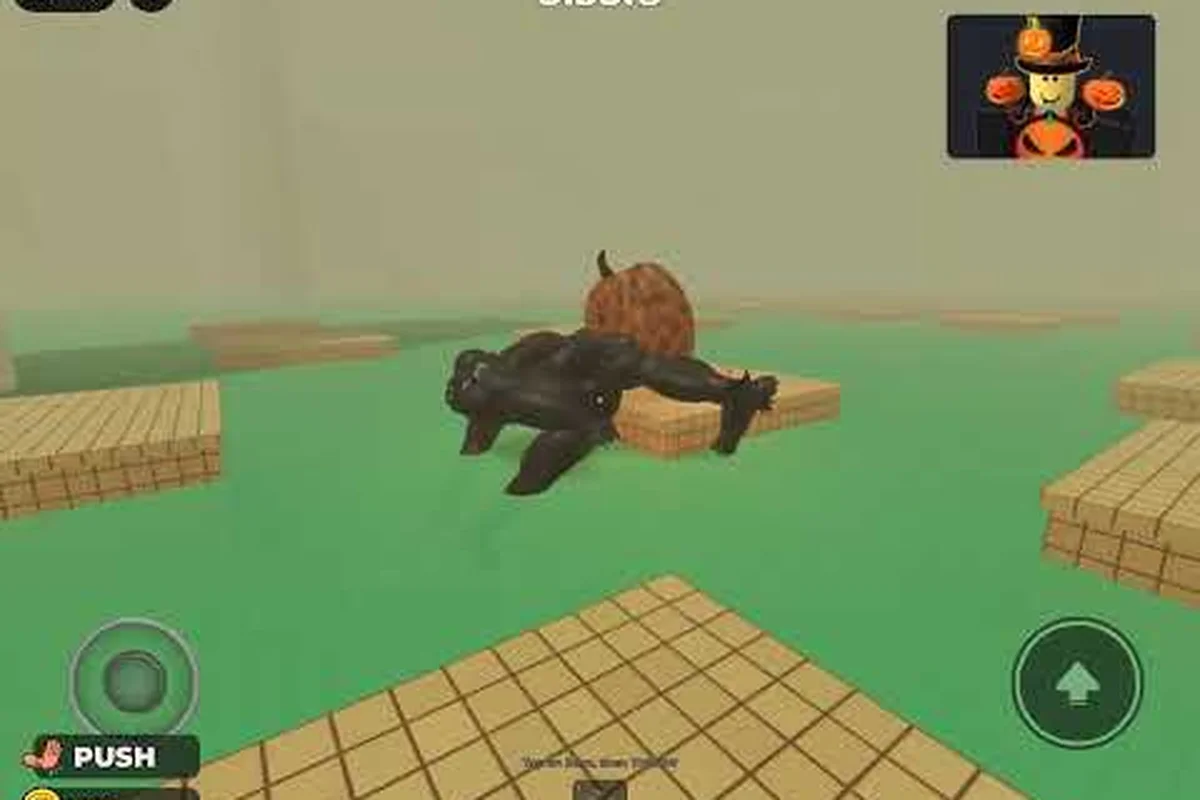
DONT SPLASH extra stages: Hidden Routes Revealed
Navigate dont splash extra stages with sinking-platform timing, rotating bridge patterns, yellow markers, and maintenance-lock clues.
DONT SPLASH new stages: V2 Room Breakdown
Explore dont splash new stages in V2, from basic platforms over still water to broken walkways, yellow routes, rotating planks, and both escape valves.
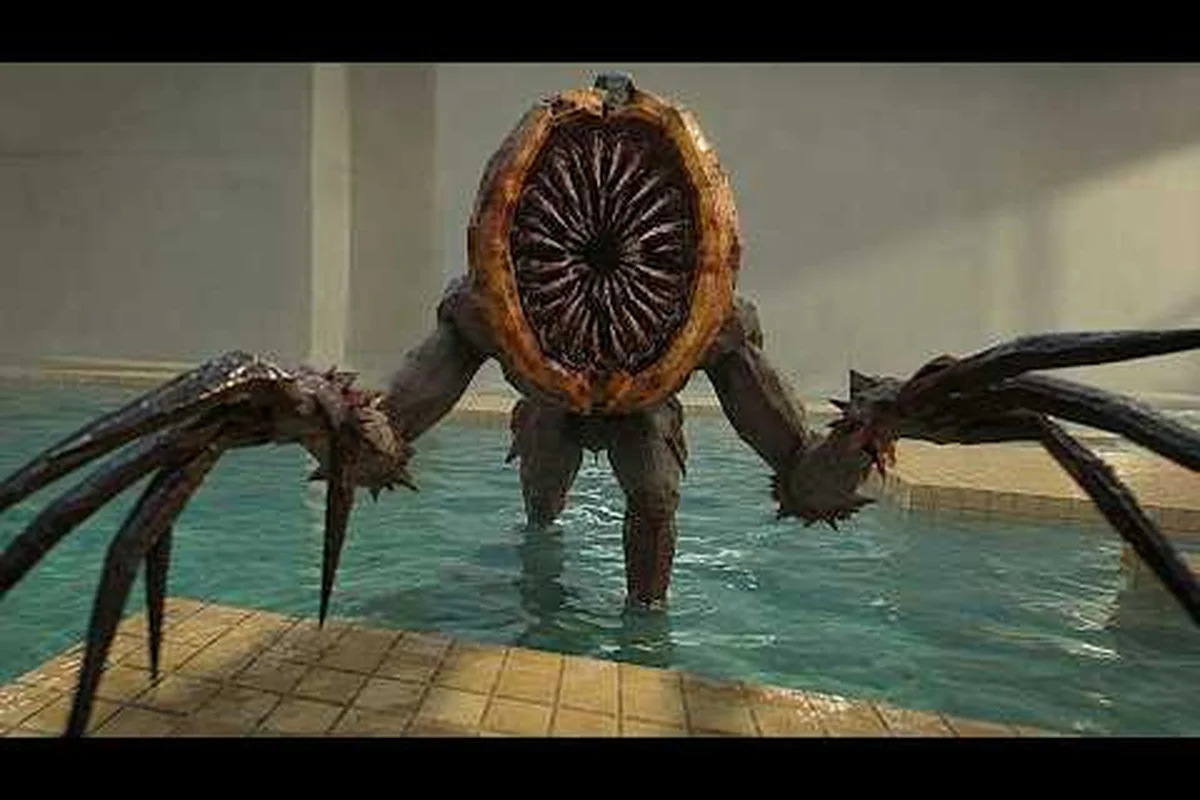
DONT SPLASH dont splash pool maze layout: Exit Map
Decode the dont splash pool maze layout, including the high exit, rising-water warning, exit door, and both valves required to unlock it.
All Articles

DONT SPLASH route through the maze: Full Order
Follow the dont splash route through the maze with the verified stage order, key floor transitions, and safer directions for the final escape.

DONT SPLASH timed platforms: Timing and Unlock Order
Master dont splash timed platforms, stage unlock requirements, lobby progression, and the 2026 route through every timed obstacle.

DONT SPLASH updated stages: V2 Rooms and Valve One
Review dont splash updated stages in DONT SPLASH V2, covering room order, stage one setup, and where to activate Valve 1 of 2.

DONT SPLASH Valve Stage: How to Open Both Valves
Solve the DONT SPLASH valve stage by following yellow platforms and black wall arrows, navigating the pool maze, and activating both valves to escape.